
 Earth-Mars cycler is a specialized orbital trajectory designed to shuttle spacecraft between Earth and Mars on a regular, repeating schedule. First proposed by astronaut Buzz Aldrin in the mid-1980s, a cycler orbit intersects both planets’ paths repeatedly, allowing a dedicated transport vehicle – the "cycler" – to swing by Earth, pick up crew or cargo, then cruise through interplanetary space before encountering Mars again.
Because the cycler itself never needs to slow down or perform large propulsive maneuvers to match planetary velocities, only small "taxi" vehicles are required to ferry astronauts between the cycler and each planet. This minimizes the delta‑V (fuel) requirements for the main habitat, making long-term habitation modules, radiation shelters, or artificial‑gravity setups more economical and sustainable across multiple missions.
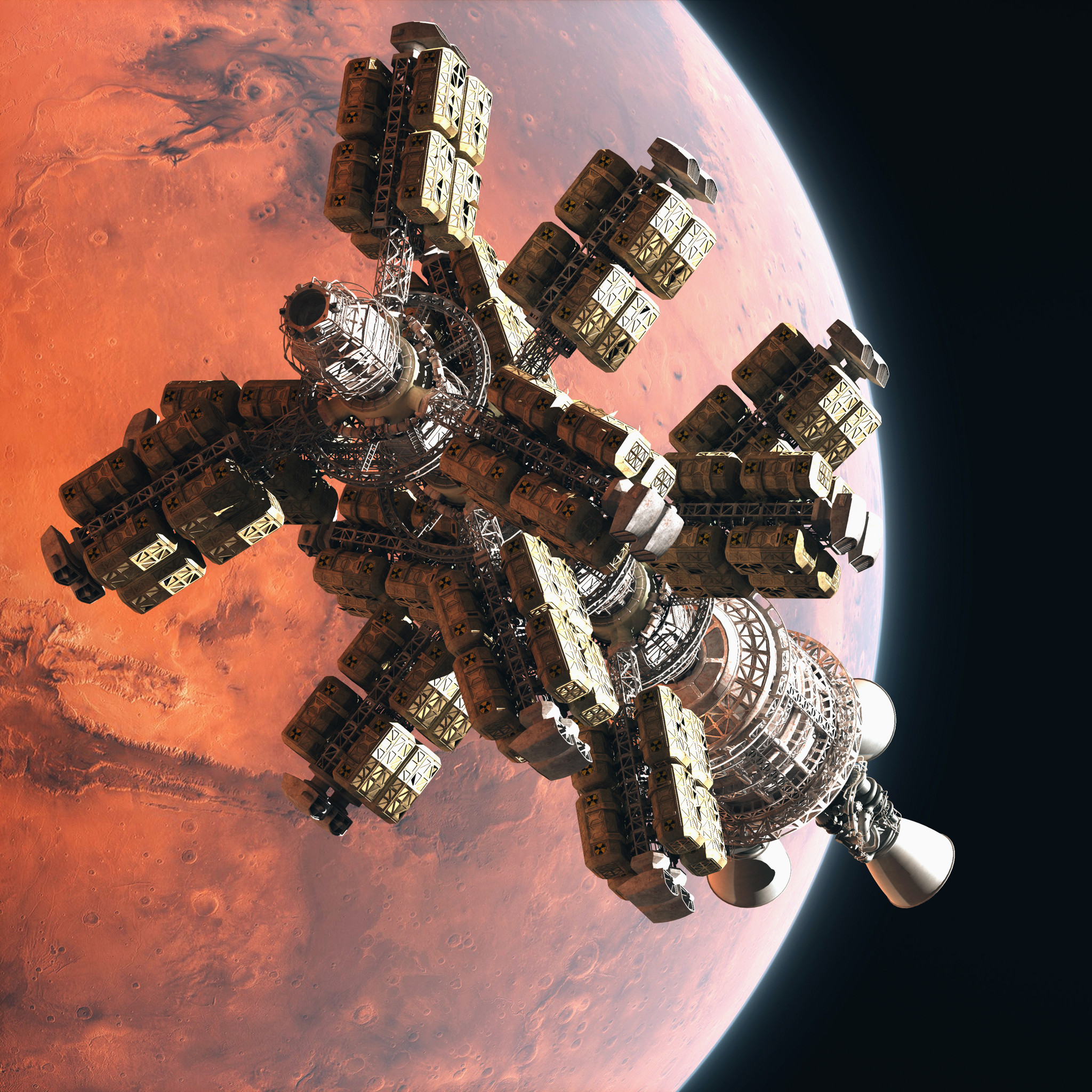
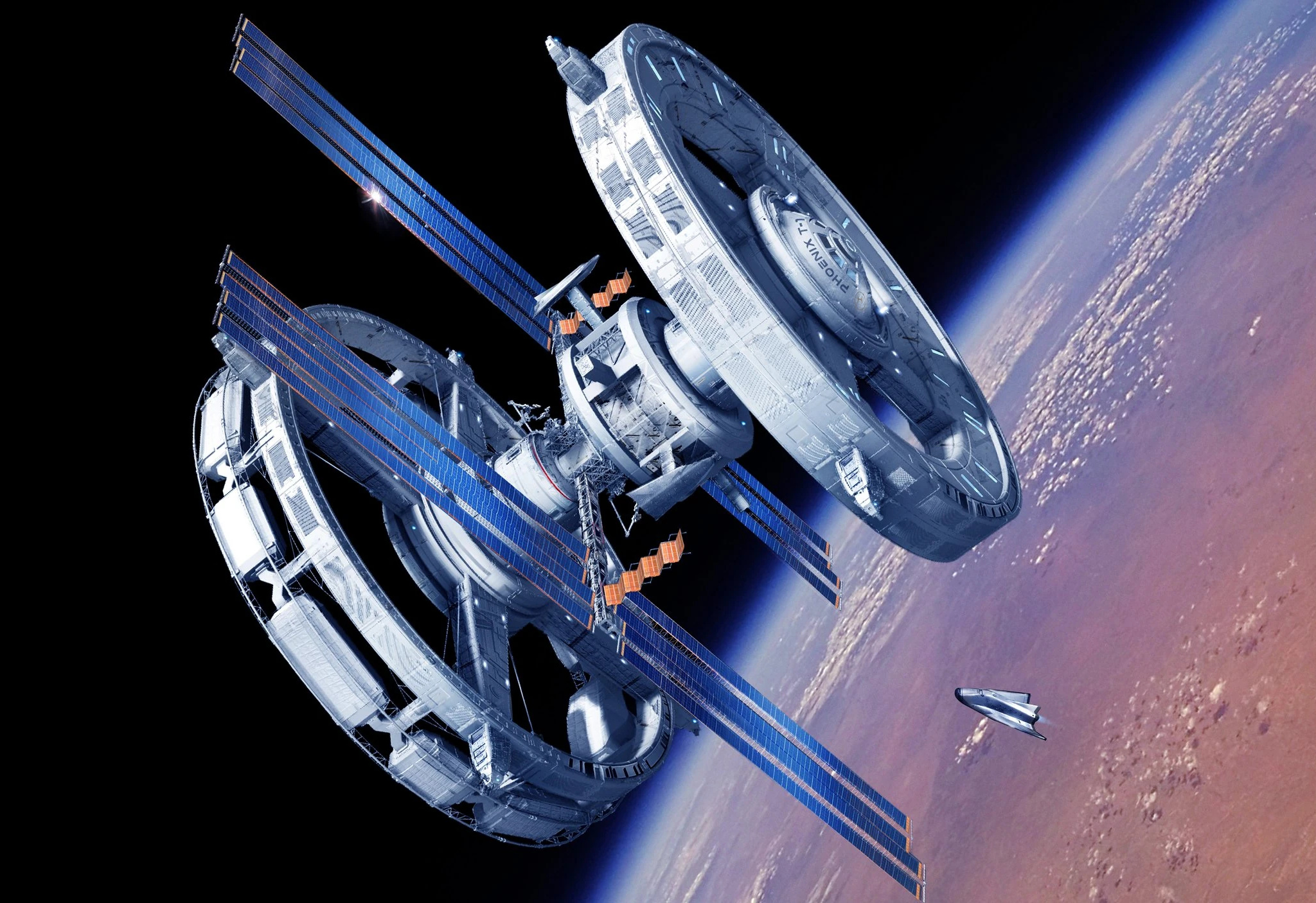
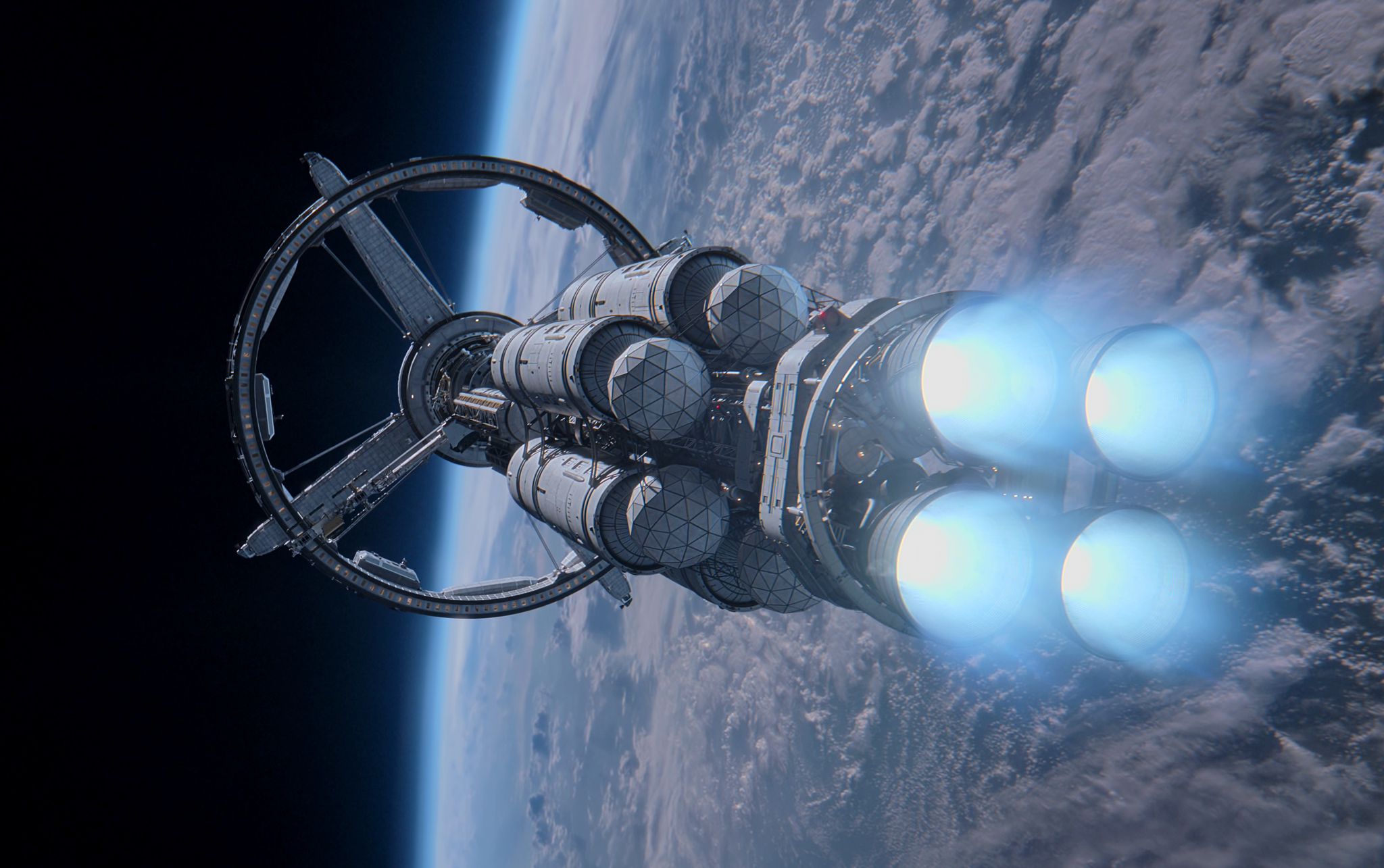
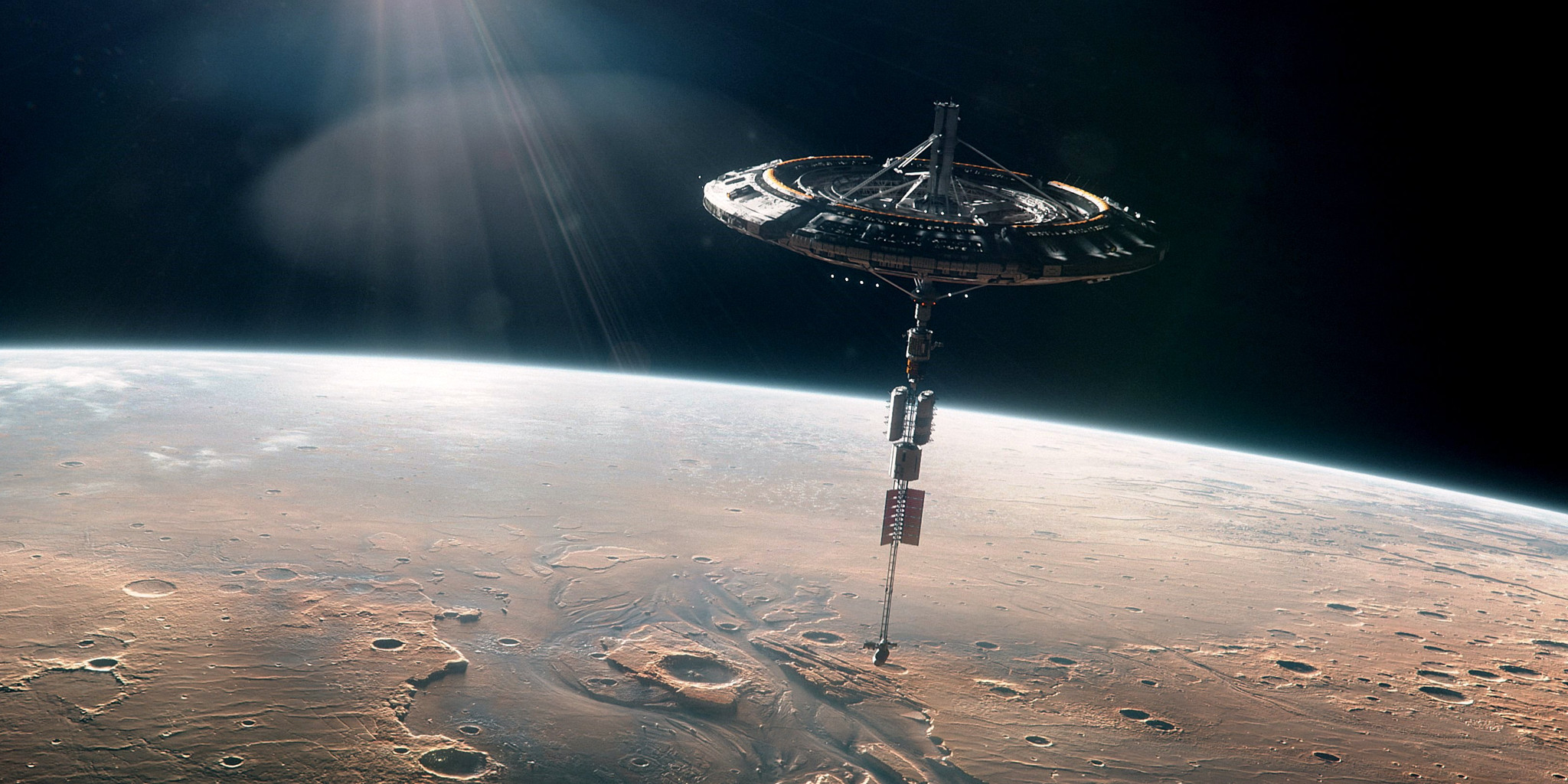
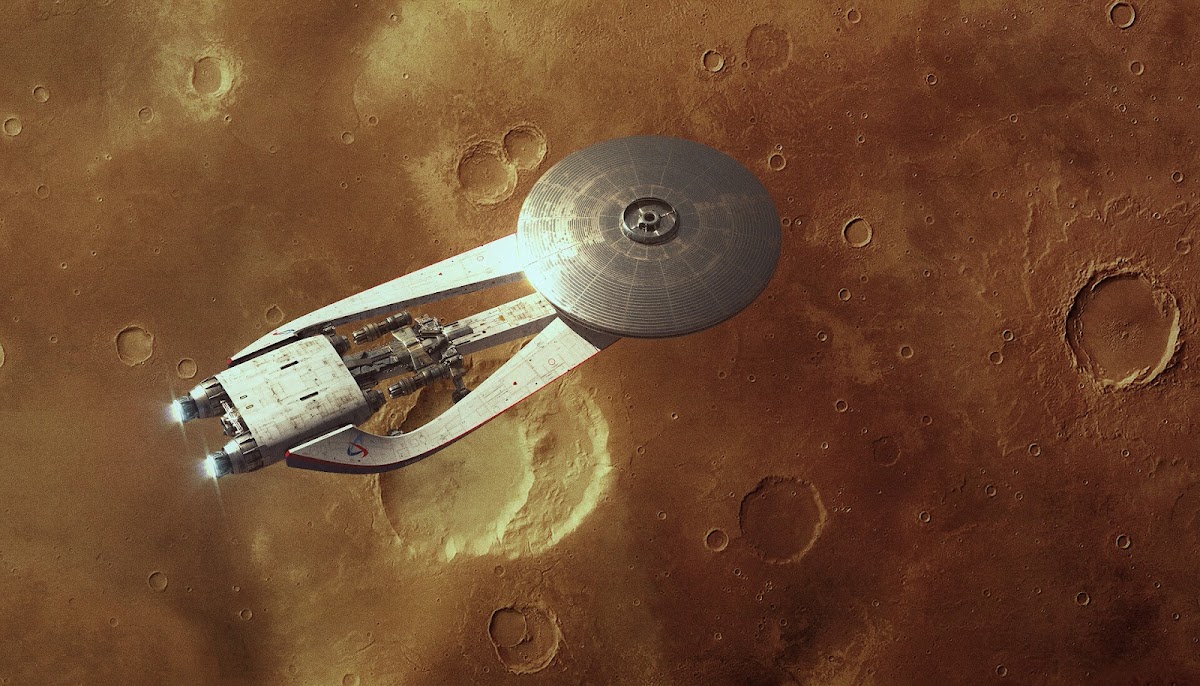
Here is a concept for an Earth-Mars cycler system with two cyclers by Maciej Rebisz – a Polish concept artist and illustrator working for computer games and film industry:


Beyond fuel savings, cycler systems offer significant advantages for crew health and mission logistics. The consistent schedule – typically once every 2.1 years for Earth-Mars synodic alignment – means that life‑support, water, and radiation shielding infrastructure can remain aboard the cycler, reducing the need to rebuild or resupply large habitats for each departure.
Cyclers can also be designed to generate artificial gravity through rotation, mitigating the deleterious effects of microgravity on astronauts during the months‑long journey. However, practical implementation faces challenges: fine-tuning phasing maneuvers to ensure planetary fly‑bys occur at the correct times, performing occasional station‑keeping burns to counter perturbations, and integrating Earth and Mars rendezvous vehicles into a coherent logistical framework. Despite these complexities, Mars cyclers remain a compelling vision for establishing a reliable, reusable link between Earth and the Red Planet.
When the cycler flies past Earth, it is caught by one or several small taxi vehicles, delivering crew and cargo aboard the cycler:


 Mars cycler is a specialized orbital trajectory designed to shuttle spacecraft between Earth and Mars on a regular, repeating schedule. First proposed by astronaut Buzz Aldrin in the mid-1980s, a cycler orbit intersects both planets’ paths repeatedly, allowing a dedicated transport vehicle - the "cycler" - to swing by Earth, pick up crew or cargo, then cruise through interplanetary space before encountering Mars again. Because the cycler itself never needs to slow down or perform large propulsive maneuvers to match planetary velocities, only small “taxi” vehicles are required to ferry astronauts between the cycler and each planet. This minimizes the delta‑V (fuel) requirements for the main habitat, making long-term habitation modules, radiation shelters, or artificial‑gravity setups more economical and sustainable across multiple missions.


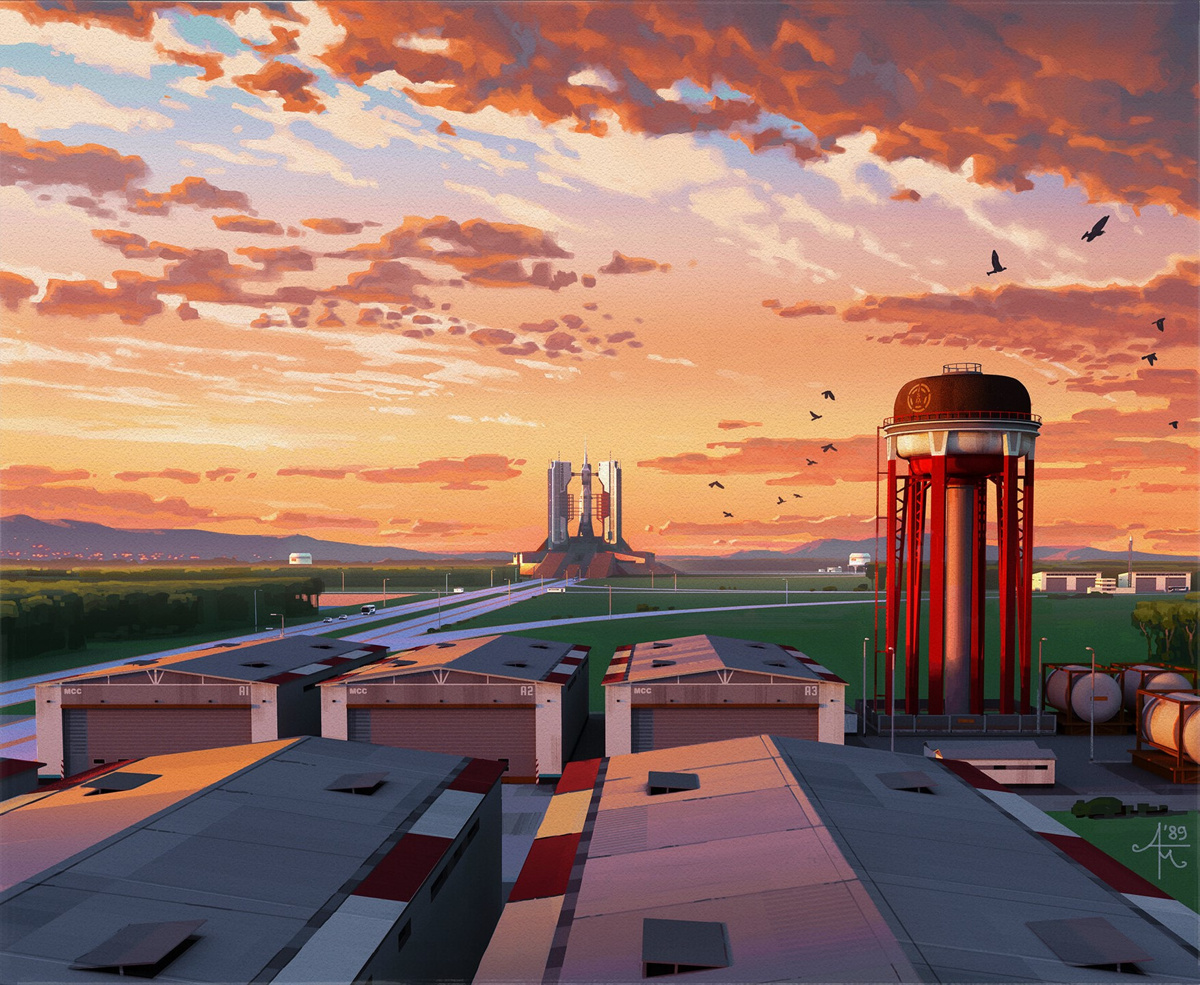 Environment concept artist


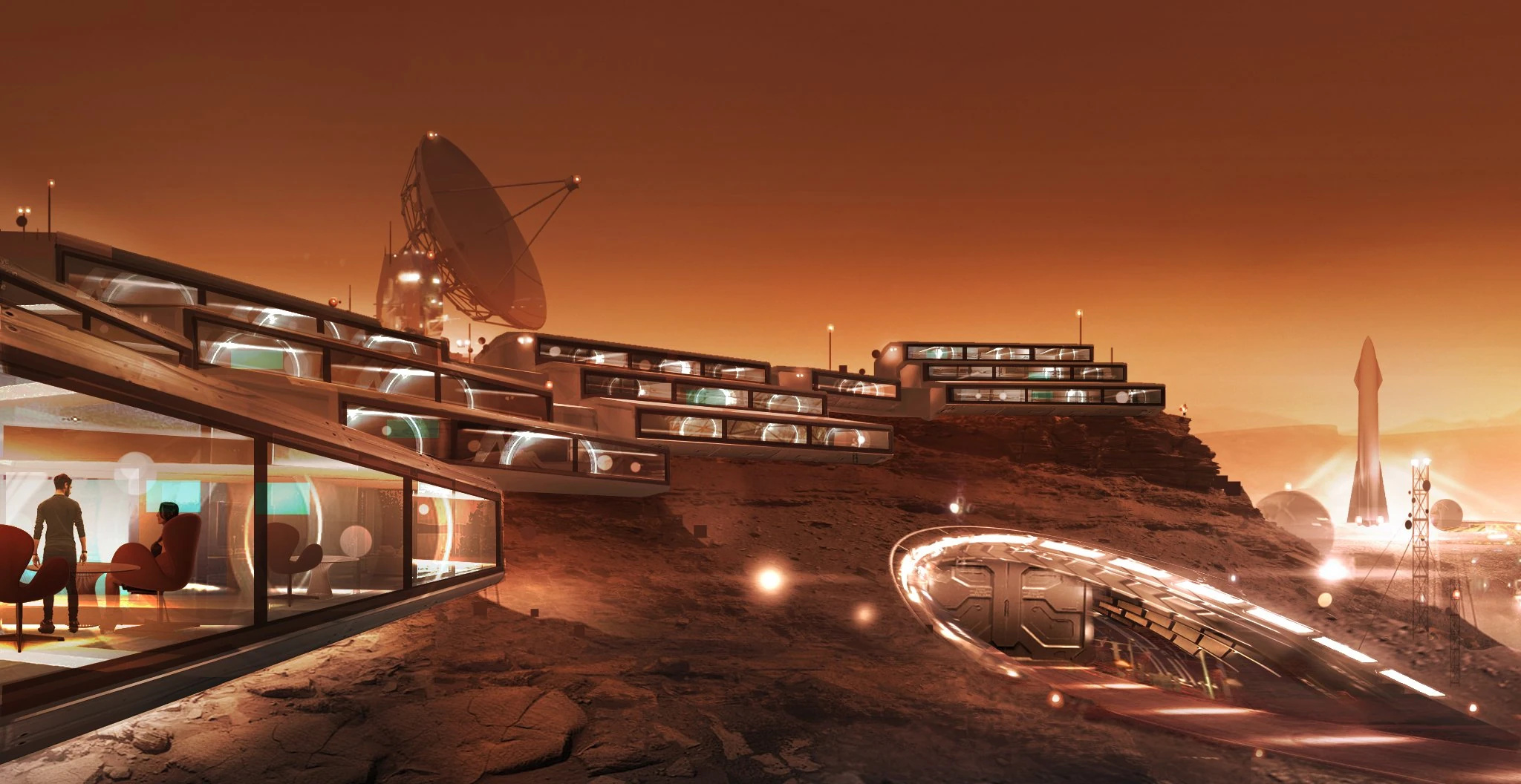





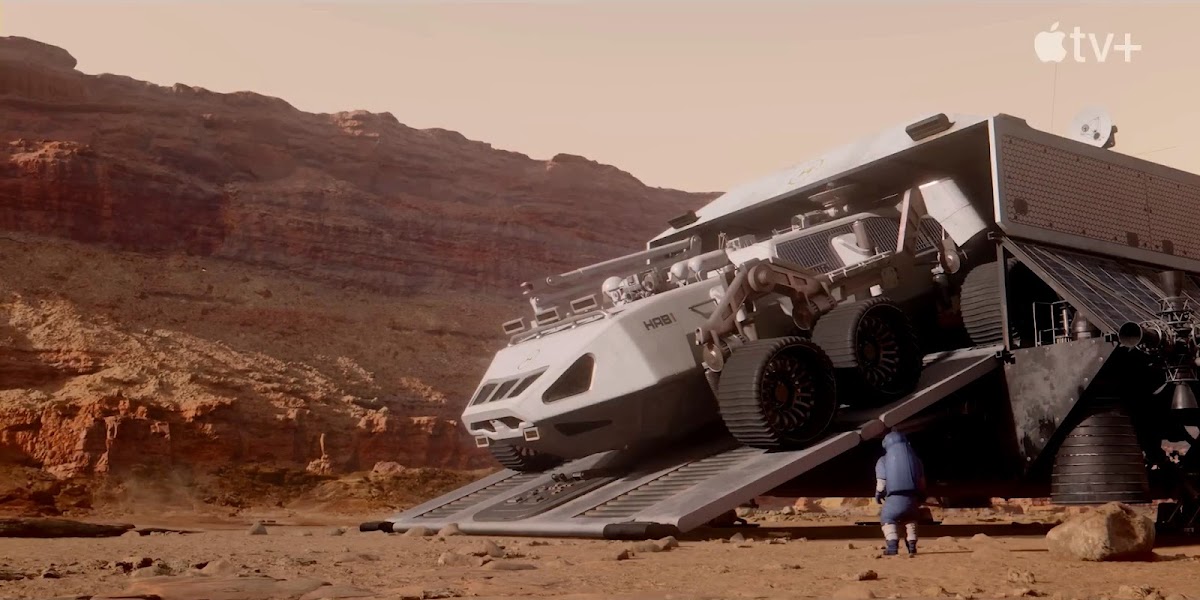 For All Mankind is an alternate history sci-fi TV series exploring the idea of never ending space race if Soviets would have beaten US in the race for the Moon. In first two seasons of the show the focus was the Moon:


 Swedish digital artist

 Over the years planetary scientist, the director of Haughton-Mars Project, Pascal Lee has created a set of paintings depicting human mission to the Martian moons Phobos and Deimos. Here are several of them. More of his Mars related paintings


